Blog

  • Best Tools for Payment Reconciliation in 2026

    Best Tools for Payment Reconciliation in 2026

    Businesses worldwide increasingly rely on payment reconciliation tools to match financial transactions across payment gateways, bank statements, and accounting systems. In 2026, platforms such as BlackLine, Tipalti, ReconArt, Xero, and QuickBooks automation tools are commonly used by finance teams to automate reconciliation workflows and reduce accounting errors. Payment reconciliation software helps organizations verify that incoming payments recorded in internal systems match bank deposits, card transactions, and payment processor reports. According to Deloitte’s Finance Transformation Report (2024), automation technologies in financial operations can reduce manual accounting tasks by up to 30 percent, highlighting the growing role of digital tools in financial management. These systems are increasingly used by e-commerce companies, fintech firms, and enterprises handling large transaction volumes.

    Why Payment Reconciliation Has Become a Critical Finance Function

    Payment reconciliation is a core financial process that ensures transactional accuracy across accounting systems. Organizations must regularly compare records from multiple sources—including bank statements, payment gateways, and internal ledgers—to verify that transactions match.

    As digital commerce expands and businesses accept payments through multiple channels, reconciliation has become more complex. A company may receive payments through credit cards, digital wallets, bank transfers, and subscription platforms, each generating different transaction records.

    According to the Association for Financial Professionals (AFP) Treasury Benchmarking Survey (2023), finance teams in large organizations process thousands of transactions daily, making manual reconciliation both time-consuming and error-prone.

    Automated reconciliation tools help organizations handle these large datasets by matching transactions automatically and flagging discrepancies that require investigation.

    Key Capabilities of Payment Reconciliation Tools

    Modern reconciliation platforms include several features designed to simplify financial verification processes.

    Automated transaction matching

    One of the most important functions of reconciliation software is matching payment records from multiple systems. Automated algorithms compare transaction amounts, timestamps, and reference numbers to identify corresponding entries.

    This reduces the need for manual spreadsheet comparisons and helps finance teams detect mismatched transactions more quickly.

    Multi-channel payment integration

    Businesses often receive payments through several payment gateways or banking channels. Reconciliation tools integrate with payment providers, banks, and accounting software to consolidate transaction data in one interface.

    Integration capabilities are especially important for companies operating across multiple markets and currencies.

    Exception detection and reporting

    When reconciliation tools detect discrepancies between transaction records, they flag exceptions for further investigation. These reports help finance teams identify issues such as duplicate transactions, settlement delays, or missing payments.

    Automated reporting also helps companies maintain audit trails required for regulatory compliance.

    Real-time financial visibility

    Many reconciliation platforms provide dashboards that allow finance teams to monitor transaction flows and settlement statuses in real time.

    This visibility can improve financial forecasting and cash flow management, particularly for businesses handling large daily transaction volumes.

    Leading Tools for Payment Reconciliation

    BlackLine

    BlackLine is widely used by enterprise finance teams for account reconciliation and financial close automation. The platform automates reconciliation processes by matching transactions across accounting systems and bank records.

    According to BlackLine corporate disclosures (2024), the company serves thousands of organizations globally, including major enterprises in financial services, manufacturing, and retail.

    BlackLine’s software is often integrated into broader financial management systems used by corporate accounting departments.

    Tipalti

    Tipalti focuses on accounts payable automation and payment reconciliation for global businesses. The platform supports multiple currencies and payment methods, enabling companies to manage supplier payments and transaction matching across international markets.

    Tipalti’s reconciliation capabilities help organizations track payment settlements and detect discrepancies in financial records.

    The platform is commonly used by companies operating subscription services, digital marketplaces, and global supplier networks.

    ReconArt

    ReconArt specializes in automated reconciliation tools for banks, payment processors, and fintech companies.

    The platform supports high-volume transaction matching across banking systems and payment gateways. According to ReconArt product documentation (2024), its tools allow organizations to reconcile millions of transactions per day using automated rules.

    This makes it particularly suitable for financial institutions and payment providers handling large transaction datasets.

    Xero

    Xero offers reconciliation features integrated into its cloud accounting platform, which is widely used by small and mid-sized businesses.

    The platform automatically imports bank transactions and suggests matches with recorded invoices or payments. According to Xero company updates (2024), the software serves millions of subscribers globally across its accounting ecosystem.

    Xero’s reconciliation tools are designed to simplify financial management for smaller companies without dedicated finance teams.

    QuickBooks Automation Tools

    QuickBooks, developed by Intuit, provides reconciliation features that allow businesses to compare bank transactions with internal accounting records.

    According to Intuit financial disclosures (2024), QuickBooks is used by millions of small businesses worldwide. Its reconciliation tools automate bank imports, transaction matching, and discrepancy identification.

    These features make QuickBooks a common choice for small businesses managing financial records internally.

    What We Know and What We Do Not Know

    What we know

    Payment reconciliation automation has become increasingly important as digital payment volumes continue to grow. Research from Deloitte, industry associations, and financial technology providers indicates that automation tools significantly reduce manual accounting workloads and improve accuracy.

    Cloud-based reconciliation platforms now allow businesses to integrate financial data from banks, payment gateways, and accounting systems into centralized dashboards.

    What we do not know

    Despite improvements in automation technology, reconciliation challenges may increase as payment ecosystems become more fragmented. Emerging payment technologies—including real-time payments, digital wallets, and cross-border settlement networks—could introduce new complexities into financial record-matching processes.

    The future effectiveness of reconciliation software will depend on its ability to adapt to these evolving payment infrastructures.

    The Hidden Infrastructure of the Digital Payments Economy

    Behind the rapid expansion of digital payments lies an operational challenge rarely visible to consumers: the reconciliation of millions of financial transactions moving through complex payment networks.

    When customers make online purchases, payments travel through several intermediaries, including payment gateways, acquiring banks, card networks, and merchant accounts. Each intermediary generates separate transaction records.

    Payment reconciliation software functions as the infrastructure that ensures these records align. Without accurate reconciliation processes, businesses risk accounting errors, financial reporting inaccuracies, and regulatory compliance issues.

    According to the World Bank’s Global Payments Development Report (2024), digital payment adoption continues to grow rapidly across global markets. As transaction volumes increase, finance teams must rely more heavily on automated tools to maintain accurate financial records.

    This trend suggests that reconciliation software will become increasingly important as organizations manage expanding payment ecosystems.

    Payment reconciliation tools play a crucial role in modern financial operations by helping businesses verify transactions across banking systems, payment gateways, and accounting platforms. Solutions such as BlackLine, Tipalti, ReconArt, Xero, and QuickBooks provide automation features that reduce manual accounting workloads and improve financial accuracy. As digital payment volumes continue to grow and payment ecosystems become more complex, automated reconciliation platforms are likely to become essential components of financial infrastructure for businesses worldwide.
  • AI Tools for HR Automation in 2026

    AI Tools for HR Automation in 2026

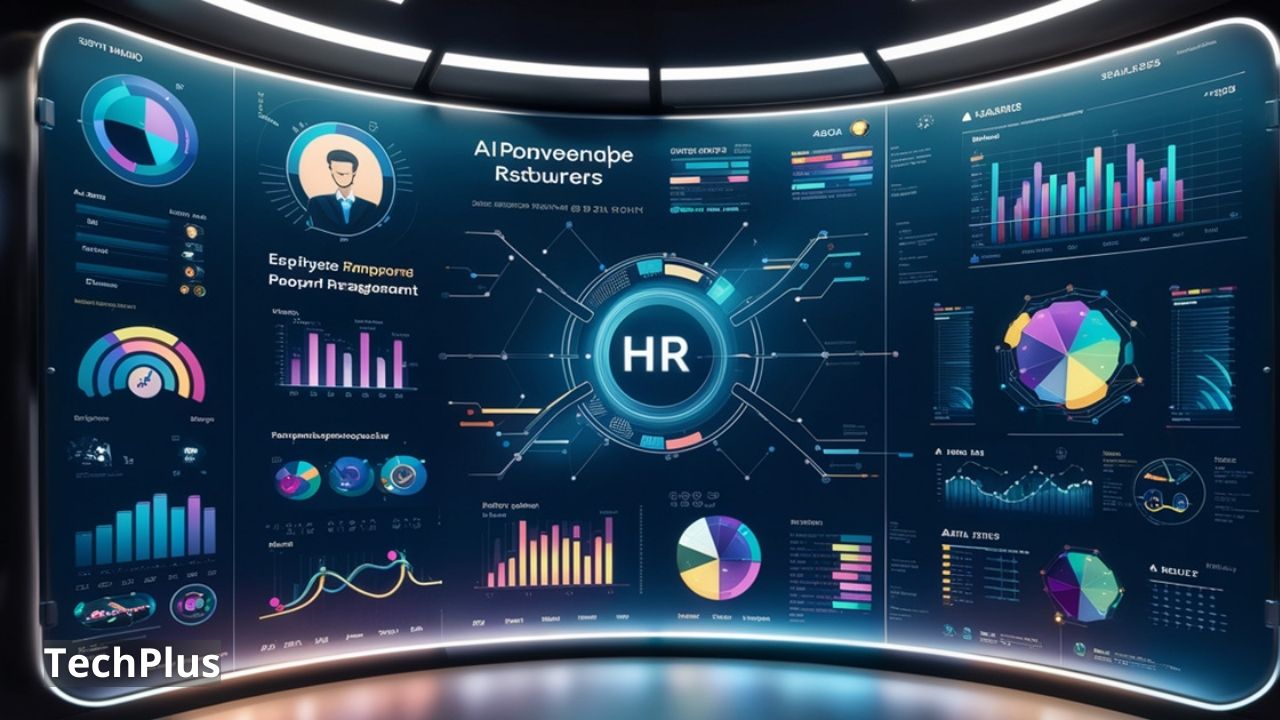
    Organizations worldwide are increasingly deploying artificial intelligence tools to automate human resources (HR) operations, ranging from recruitment screening to employee analytics and workforce management. In 2026, platforms such as Workday AI, BambooHR, HireVue, SAP SuccessFactors, and Eightfold AI are widely used to streamline HR tasks and improve decision-making. Companies adopt these systems to manage large applicant pools, reduce administrative workloads, and identify workforce trends through data analysis. According to the McKinsey Global AI Survey (2024), more than 55 percent of companies report implementing AI in at least one core business function, including human resources. AI-powered HR platforms allow organizations to automate repetitive processes such as resume screening, interview scheduling, onboarding documentation, and employee performance analysis while improving operational efficiency.

    AI Transforms the Human Resources Function

    Human resources departments have traditionally relied on manual processes to manage hiring, employee records, and performance tracking. As organizations grow and workforce data expands, these processes become increasingly complex and time-consuming.

    Artificial intelligence technologies including machine learning, natural language processing, and predictive analytics—are now embedded in HR software to automate routine administrative work. According to Gartner’s HR Technology Market Report (2024), HR technology spending has expanded rapidly as companies seek digital tools to manage distributed workforces and large volumes of employee data.

    AI tools can analyze resumes, identify candidate skills, and match applicants with job requirements more quickly than manual screening. HR departments also use AI-driven analytics platforms to monitor employee engagement, predict turnover risks, and evaluate workforce performance trends.

    The shift toward remote and hybrid work environments has further accelerated demand for HR automation tools capable of managing digital workflows across geographically distributed teams.

    Core Functions Automated by AI HR Tools

    AI tools used in HR automation typically focus on several operational areas.

    Recruitment and talent acquisition

    Recruitment is one of the most common use cases for AI in HR. Applicant tracking systems integrated with machine learning algorithms can analyze resumes and rank candidates based on qualifications and job requirements.

    These systems help organizations process thousands of applications efficiently. According to the LinkedIn Global Talent Trends Report (2024), recruiters increasingly rely on automated screening tools to reduce hiring timelines and improve candidate matching accuracy.

    AI-powered recruitment tools may also assist with interview scheduling and candidate communication.

    Employee onboarding

    AI platforms streamline onboarding processes by automating administrative tasks such as document collection, compliance verification, and training program assignments.

    Automated onboarding systems allow new employees to complete documentation digitally while providing HR teams with centralized tracking tools.

    Workforce analytics

    Data analytics has become a central feature of HR automation platforms. AI-driven systems analyze employee performance metrics, attendance records, and engagement surveys to identify workforce trends.

    Companies use these insights to make decisions regarding promotions, workforce planning, and employee development programs.

    Employee engagement monitoring

    AI-based HR platforms also help organizations measure employee satisfaction and workplace sentiment. Natural language processing tools can analyze internal communication channels or employee feedback surveys to identify potential workplace issues.

    These insights allow HR teams to address organizational challenges before they escalate.

    Leading AI Tools for HR Automation

    Workday AI

    Workday integrates artificial intelligence across its enterprise HR and financial management platforms. Its AI features analyze workforce data to support hiring decisions, employee performance tracking, and talent development programs.

    According to Workday corporate disclosures (2024), the platform serves thousands of organizations globally, including large enterprises and public sector institutions. Workday’s analytics tools enable HR departments to forecast workforce needs and identify internal talent development opportunities.

    BambooHR

    BambooHR is widely used among small and mid-sized companies seeking simplified HR automation systems. The platform centralizes employee records, performance reviews, payroll data, and recruitment workflows.

    BambooHR integrates AI-powered analytics tools that help HR teams track employee engagement and workforce trends. The platform is particularly popular among growing companies that require scalable HR management systems.

    HireVue

    HireVue focuses on AI-powered recruitment technologies. Its platform supports automated video interviews and candidate assessment systems that analyze speech patterns, responses, and behavioral indicators.

    Companies use HireVue to streamline hiring processes and evaluate large numbers of applicants efficiently. According to HireVue company updates (2024), its technology is used by major global employers across multiple industries.

    SAP SuccessFactors

    SAP SuccessFactors provides enterprise HR management software that integrates AI-driven analytics and workforce planning tools.

    The platform enables organizations to manage recruitment, employee development, compensation planning, and performance evaluation within a single system. SAP has expanded AI capabilities within its HR platforms to support predictive workforce analytics and automated HR workflows.

    Eightfold AI

    Eightfold AI focuses on talent intelligence platforms that analyze workforce skills and career development pathways. The platform uses machine learning algorithms to identify candidate-job matches and recommend career growth opportunities for employees.

    According to Eightfold AI company reports (2024), its platform is used by organizations seeking to improve talent acquisition and workforce planning strategies.

    What We Know and What We Do Not Know

    What we know

    AI technologies are increasingly integrated into HR software platforms to automate administrative processes and analyze workforce data. Research from McKinsey, Gartner, and industry reports indicates that organizations are investing heavily in HR technology as part of broader digital transformation strategies.

    Automated HR systems have demonstrated benefits such as faster recruitment processes, improved workforce analytics, and reduced administrative workloads for HR departments.

    What we do not know

    Despite growing adoption, questions remain regarding the ethical and regulatory implications of AI-driven hiring systems. Critics have raised concerns that algorithmic decision-making could reinforce biases present in historical hiring data.

    Governments and regulatory bodies are increasingly examining the use of AI in recruitment and workforce management to ensure transparency and fairness in hiring practices.

    The Workforce Intelligence Shift

    The emergence of AI-powered HR tools reflects a broader shift toward data-driven workforce management. Organizations increasingly rely on digital platforms to analyze employee performance, predict workforce trends, and optimize talent management strategies.

    According to the World Economic Forum Future of Jobs Report (2023), technological transformation—including artificial intelligence—could reshape workplace skills requirements for 44 percent of workers by 2027.

    HR automation platforms play a significant role in this transformation by enabling organizations to analyze workforce data at scale. Companies can identify skill gaps, forecast future hiring needs, and develop training programs based on predictive analytics.

    This shift toward workforce intelligence suggests that HR departments are evolving from administrative functions into strategic units responsible for talent development and organizational performance.

    Artificial intelligence tools are transforming human resources operations by automating recruitment processes, streamlining employee management tasks, and providing data-driven insights into workforce performance. Platforms such as Workday AI, BambooHR, HireVue, SAP SuccessFactors, and Eightfold AI illustrate how AI technologies are integrated into HR systems to support talent acquisition and workforce analytics. As organizations continue to digitize HR processes and analyze workforce data more extensively, AI-driven HR automation platforms are likely to become central components of modern workforce management strategies.

  • Top AI Tools for Marketing in 2026

    Top AI Tools for Marketing in 2026

    Businesses worldwide are increasingly using artificial intelligence tools to automate marketing campaigns, analyze consumer behavior, and generate digital content at scale. In 2026, platforms such as HubSpot AI, Salesforce Einstein, Jasper AI, Google Marketing AI, and Adobe Sensei are among the most widely adopted solutions for marketing automation and analytics. These tools are used by companies ranging from startups to large enterprises to manage advertising, personalize customer experiences, and optimize marketing performance. According to the McKinsey Global AI Survey (2024), more than 55 percent of organizations have adopted AI in at least one business function, with marketing and sales among the most common use cases. AI-driven marketing platforms enable companies to process large volumes of customer data, automate communication, and improve campaign efficiency across digital channels.

    AI Reshapes the Marketing Technology Landscape

    Artificial intelligence has rapidly become a central component of modern marketing strategies. Traditional marketing relied heavily on manual campaign management, human analysis of customer behavior, and broad segmentation strategies. AI platforms now allow marketers to process real-time data and deliver highly personalized customer experiences.

    According to Statista’s Artificial Intelligence Market Outlook (2025), global spending on AI technologies is expected to surpass $300 billion by 2026, reflecting the growing integration of machine learning and automation across industries. Marketing departments have become early adopters because AI can process consumer data, predict purchasing patterns, and optimize advertising performance more efficiently than manual analysis.

    Digital advertising ecosystems including search engines, social media platforms, and e-commerce marketplaces generate enormous datasets. AI marketing tools help organizations analyze these datasets to improve targeting strategies and measure campaign outcomes.

    Leading AI Tools Used in Marketing

    HubSpot AI

    HubSpot has integrated artificial intelligence into its marketing automation and customer relationship management ecosystem. The platform provides AI-powered tools for email marketing, customer segmentation, predictive lead scoring, and campaign performance analysis.

    According to HubSpot corporate updates (2024), the company serves over 200,000 businesses globally across marketing, sales, and customer service platforms. HubSpot’s AI tools enable marketers to automate workflows, personalize communication, and analyze campaign results using built-in analytics systems.

    For small and mid-sized companies, HubSpot’s integrated ecosystem often serves as both a CRM and marketing automation platform.

    Salesforce Einstein

    Salesforce Einstein provides artificial intelligence capabilities embedded within the Salesforce customer relationship management platform. The system analyzes customer data to generate predictive insights and automate marketing processes.

    Salesforce reported more than $34 billion in revenue in fiscal year 2024, according to company financial disclosures. Einstein tools support tasks such as predictive lead scoring, automated email recommendations, and customer behavior analysis.

    By integrating AI with CRM data, Salesforce allows marketing teams to identify high-value prospects and optimize customer engagement strategies.

    Jasper AI

    Jasper AI has emerged as one of the most widely used AI platforms for marketing content generation. The platform uses large language models to assist marketers in producing blog articles, advertising copy, email campaigns, and social media content.

    The adoption of generative AI tools for content marketing has expanded rapidly as companies seek to produce large volumes of digital content efficiently. Jasper AI is commonly used by marketing teams responsible for content production and digital publishing.

    Generative AI platforms are increasingly integrated into broader marketing workflows, supporting both content creation and campaign optimization.

    Google Marketing AI

    Google has incorporated artificial intelligence into its advertising and analytics platforms. Tools such as Google Ads Smart Bidding, Performance Max campaigns, and AI-powered analytics within Google Analytics help marketers automate campaign optimization.

    These systems analyze user behavior and advertising performance data to automatically adjust bids, target audiences, and allocate advertising budgets.

    According to Google advertising documentation updated in 2024, AI-driven bidding and targeting tools have become central components of the company’s digital advertising ecosystem.

    Adobe Sensei

    Adobe Sensei is an artificial intelligence and machine learning framework integrated across Adobe’s digital marketing products, including Adobe Experience Cloud.

    Sensei enables marketers to automate content personalization, analyze user behavior, and optimize customer journeys across multiple channels. Adobe’s AI platform also assists with image recognition, audience segmentation, and predictive analytics.

    According to Adobe corporate reports (2024), AI technologies embedded in its marketing software help enterprises manage large-scale digital campaigns and customer experience platforms.

    Key Marketing Functions Enhanced by AI

    Artificial intelligence tools are transforming several core marketing functions.

    Content creation has been significantly accelerated by generative AI platforms capable of producing text, images, and video content for digital campaigns.

    Customer segmentation has become more precise as machine learning algorithms analyze behavioral data to identify audience segments with similar purchasing patterns.

    Campaign optimization benefits from automated bidding systems and predictive analytics that allow marketers to adjust strategies in real time.

    Marketing analytics also benefits from AI-driven insights that help organizations measure campaign performance and identify emerging market trends.

    What We Know and What We Do Not Know

    What we know

    Artificial intelligence is becoming deeply embedded in marketing technology ecosystems. Research from McKinsey, Statista, and major technology firms indicates that AI adoption in marketing continues to increase as businesses seek more efficient ways to analyze data and automate campaigns.

    AI-powered tools have demonstrated the ability to improve advertising targeting, personalize customer communication, and automate repetitive marketing tasks.

    What we do not know

    Despite rapid adoption, the long-term effects of generative AI on marketing practices remain uncertain. Questions persist regarding content authenticity, intellectual property rights, and the role of human creativity in marketing strategy.

    Regulatory frameworks governing AI-generated content and data privacy may also influence how marketing technologies evolve in the coming years.

    The Data Economy Driving AI Marketing Tools

    The rise of AI marketing platforms reflects a broader shift toward data-driven business models. Digital marketing now depends heavily on the collection and analysis of user behavior across websites, mobile applications, and social media platforms.

    Artificial intelligence allows companies to process these datasets at scale and convert them into actionable insights. This capability enables businesses to personalize advertising messages, optimize marketing budgets, and improve customer engagement.

    According to the World Economic Forum Digital Economy Report (2024), data-driven technologies are expected to reshape how companies interact with consumers across digital ecosystems. AI marketing tools represent one of the most visible examples of this transformation.

    Companies that effectively integrate AI into marketing strategies may gain competitive advantages by delivering more relevant and timely communication to customers.

    Artificial intelligence tools are rapidly transforming marketing operations by enabling automation, advanced analytics, and personalized customer engagement. Platforms such as HubSpot AI, Salesforce Einstein, Jasper AI, Google Marketing AI, and Adobe Sensei illustrate how AI technologies are integrated into marketing workflows across industries. As digital marketing continues to generate large volumes of data and customer interactions move increasingly online, AI-driven tools are likely to become essential components of marketing infrastructure for businesses worldwide.
  • How Small Businesses Choose the Right CRM Software in 2026

    How Small Businesses Choose the Right CRM Software in 2026

    Small businesses in 2026 are increasingly adopting customer relationship management CRM software to manage sales pipelines, organize customer data, and automate marketing tasks. Startups and small enterprises across industries—from retail to digital services—are turning to CRM platforms such as HubSpot, Zoho CRM, Pipedrive, and Freshsales to centralize customer information and improve sales performance. According to Grand View Research (2024), the global CRM market exceeded $65 billion in value in 2023 and continues to expand as companies prioritize customer engagement and data-driven decision making. CRM systems help businesses track leads, automate communication, and build long-term customer relationships while reducing operational complexity.

    Why CRM Systems Matter for Small Businesses

    Customer relationship management software has become a fundamental tool for modern businesses operating in competitive digital markets. Small companies often deal with limited staff and fragmented communication channels, which makes it difficult to maintain consistent contact with customers.

    CRM platforms address this challenge by organizing all customer interactions within a single system. Sales teams can track leads, customer service teams can monitor requests, and marketing teams can analyze campaign performance using the same database.

    According to the International Data Corporation (IDC) Enterprise Applications Tracker (2024), CRM applications remain the largest category of enterprise software worldwide, reflecting the central role these platforms play in managing customer data and sales activities.

    The increasing importance of digital sales channels including e-commerce platforms, social media marketing, and online subscriptions—has further accelerated CRM adoption among small businesses.

    Key CRM Features Small Businesses Should Look For

    Contact and lead management

    One of the most important functions of a CRM system is storing and organizing customer information. Businesses can track contact details, communication history, and purchasing behavior in one centralized database.

    This feature allows sales teams to prioritize leads and follow up with potential customers more effectively.

    Sales pipeline tracking

    CRM platforms often include visual dashboards that help businesses monitor deals as they move through different stages of the sales cycle. These dashboards enable companies to evaluate sales performance and identify bottlenecks in their sales process.

    Pipeline tracking tools are particularly useful for small businesses that rely on a limited number of sales representatives.

    Marketing automation

    Modern CRM systems frequently include automation tools that handle tasks such as email campaigns, follow-up reminders, and lead nurturing workflows.

    Automation reduces the time required for repetitive marketing activities and allows small teams to maintain consistent communication with customers.

    Analytics and reporting

    Data analytics tools built into CRM platforms provide insights into sales trends, marketing performance, and customer engagement. These reports help business owners make informed strategic decisions.

    According to Gartner’s CRM Technology Forecast (2024), companies that actively use CRM analytics tools often achieve higher customer retention rates compared to organizations that rely on manual tracking systems.

    Popular CRM Tools Used by Startups

    Several CRM platforms have gained significant traction among startups and small businesses.

    HubSpot CRM is widely used because it offers a free entry-level platform with scalable marketing and customer service features.

    Zoho CRM provides an affordable solution with extensive integrations across accounting, project management, and communication tools.

    Pipedrive focuses on sales pipeline visualization and deal tracking, making it particularly suitable for small sales teams.

    Freshsales, part of the Freshworks ecosystem, combines CRM features with automation and AI-powered analytics.

    For a deeper comparison of the most widely used platforms, readers can explore our detailed guide on
    Best CRM Software for Small Business in 2026, which analyzes leading CRM providers and their capabilities in greater depth.

    What We Know and What We Do Not Know

    What we know

    Research from market analysts and technology firms indicates that CRM software adoption among small businesses continues to increase. Cloud-based platforms have made these tools more accessible and affordable, allowing even very small companies to implement customer management systems.

    The combination of automation, analytics, and centralized data management has made CRM software one of the most widely adopted categories of business software.

    What we do not know

    Despite rapid adoption, the long-term impact of emerging technologies—particularly artificial intelligence—on CRM platforms remains uncertain. Vendors are increasingly integrating predictive analytics and AI-driven insights into CRM tools, but it is still unclear how these technologies will reshape sales strategies and customer engagement practices.

    The Data Advantage in Small Business Competition

    Behind the growth of CRM platforms lies a broader shift toward data-driven business strategies. In modern digital markets, customer data has become one of the most valuable assets a company can possess.

    CRM software allows businesses to transform raw customer interactions into actionable insights. Companies can identify purchasing trends, evaluate marketing performance, and personalize customer communication based on behavioral data.

    This transformation is particularly important for small businesses that must compete with larger organizations possessing greater financial and operational resources.

    By leveraging CRM systems, small companies can improve efficiency, strengthen customer relationships, and develop more targeted marketing strategies.

    CRM software has become an essential technology for small businesses seeking to manage customer relationships, streamline sales processes, and make data-driven decisions. Platforms such as HubSpot, Zoho CRM, Pipedrive, and Freshsales provide accessible tools that allow startups and small enterprises to organize customer information and automate marketing tasks. As digital commerce continues to expand and customer engagement becomes increasingly data-driven, CRM systems will likely remain central to the operational strategies of small businesses worldwide.

  • Cybersecurity Software in 2026 and the Growing Digital Defense Market

    Cybersecurity Software in 2026 and the Growing Digital Defense Market

    Cybersecurity software has become a critical component of modern digital infrastructure as organizations worldwide confront escalating cyber threats targeting data, networks, and critical systems. In 2026, businesses, governments, and institutions increasingly rely on cybersecurity platforms from companies such as CrowdStrike, Palo Alto Networks, Microsoft Security, Cisco, and Fortinet to detect, prevent, and respond to cyberattacks. According to the Cybersecurity Ventures Global Cybercrime Report (2024), global cybercrime costs are projected to reach $10.5 trillion annually by 2025, highlighting the growing scale of digital security risks. Cybersecurity software operates across multiple layers endpoint protection, cloud security, threat intelligence, and identity management—allowing organizations to safeguard sensitive data and maintain operational resilience in an increasingly interconnected digital environment.

    The Expanding Role of Cybersecurity Software

    As digital systems have become central to economic activity, cybersecurity has emerged as a strategic priority for both public and private organizations. Cybersecurity software protects networks, applications, devices, and cloud infrastructure from unauthorized access, data breaches, ransomware attacks, and other forms of cybercrime.

    The rapid expansion of cloud computing, remote work, and internet-connected devices has significantly increased the attack surface for malicious actors. According to the IBM Cost of a Data Breach Report (2024), the average global cost of a data breach reached $4.45 million in 2023, representing one of the highest figures recorded since IBM began tracking the metric.

    Governments have also intensified regulatory oversight of digital security. Agencies in the United States, the European Union, and Asia have introduced cybersecurity frameworks requiring organizations to implement stronger digital defenses and reporting mechanisms for security incidents.

    For businesses, cybersecurity software now functions as both a technical safeguard and a regulatory requirement.

    Major Categories of Cybersecurity Software

    Cybersecurity software typically operates across several specialized categories designed to protect different layers of digital infrastructure.

    Endpoint protection platforms

    Endpoint protection software secures individual devices such as laptops, smartphones, and servers. These platforms detect malware, ransomware, and suspicious behavior at the device level.

    Endpoint detection and response (EDR) systems have become particularly important as organizations manage large numbers of remote devices. According to Gartner’s Endpoint Protection Market Guide (2024), EDR platforms are widely adopted across enterprise environments to monitor endpoint activity and respond to threats in real time.

    Network security tools

    Network security platforms monitor and protect internal networks from unauthorized access or malicious traffic. Firewalls, intrusion detection systems, and network monitoring software form the foundation of this category.

    Modern network security tools rely increasingly on machine learning algorithms to detect unusual patterns that may indicate cyber intrusions.

    Cloud security platforms

    The widespread adoption of cloud infrastructure has driven demand for cloud security tools designed to protect data and applications hosted in distributed computing environments.

    Cloud security solutions typically include identity access management, encryption systems, and automated threat detection capabilities tailored for cloud-based systems.

    According to Gartner’s Cloud Security Market Forecast (2024), spending on cloud security solutions continues to grow as organizations migrate business operations to cloud platforms.

    Identity and access management

    Identity and access management software controls how users authenticate and access digital systems. Multi-factor authentication, biometric verification, and identity governance platforms are increasingly common in corporate security frameworks.

    The rise of remote work has made identity-based security particularly important because employees access systems from multiple devices and locations.

    Leading Cybersecurity Software Providers

    Several technology companies dominate the cybersecurity software market by providing integrated security platforms and specialized defense tools.

    CrowdStrike

    CrowdStrike has gained prominence for its cloud-native endpoint security platform, Falcon. The platform uses artificial intelligence and behavioral analytics to detect cyber threats across distributed networks.

    According to CrowdStrike’s 2024 annual report, the company serves more than 29,000 customers globally, including major enterprises and government organizations.

    CrowdStrike’s focus on cloud-delivered security has positioned the company as a major competitor in the endpoint protection market.

    Palo Alto Networks

    Palo Alto Networks provides a broad cybersecurity platform covering network security, cloud protection, and threat intelligence.

    The company reported over $7 billion in annual revenue in fiscal year 2024, reflecting strong demand for integrated security systems. Palo Alto’s platform combines firewall technology with advanced threat detection and automated incident response capabilities.

    Its integrated approach allows organizations to manage multiple layers of cybersecurity from a single platform.

    Microsoft Security

    Microsoft has expanded its cybersecurity portfolio through products integrated into its cloud ecosystem and enterprise software platforms.

    According to Microsoft corporate disclosures (2024), the company generates more than $20 billion annually from security-related products and services. Microsoft Defender and related security platforms protect devices, cloud workloads, and enterprise networks.

    Because many organizations already rely on Microsoft software ecosystems, its security solutions are widely deployed across corporate environments.

    Cisco Security

    Cisco offers network-focused cybersecurity tools that integrate with enterprise networking infrastructure. Cisco security solutions include threat detection platforms, secure access technologies, and network monitoring tools.

    The company has expanded its cybersecurity capabilities through acquisitions and research investments designed to address emerging digital threats.

    Fortinet

    Fortinet specializes in network security appliances and integrated cybersecurity platforms. Its products are widely used by enterprises and government agencies seeking scalable network protection systems.

    Fortinet’s 2024 financial disclosures show continued growth in demand for its security platforms, particularly among organizations implementing zero-trust security architectures.

    What We Know and What We Do Not Know

    What we know

    Cybersecurity threats are increasing in both frequency and sophistication. Research from IBM, Cybersecurity Ventures, and Gartner consistently shows rising costs associated with cybercrime and data breaches. Organizations across industries are investing heavily in cybersecurity software to protect digital assets and comply with regulatory requirements.

    Technological innovation in cybersecurity particularly the use of artificial intelligence and behavioral analytics—is improving the ability to detect and respond to threats in real time.

    What we do not know

    Despite advances in cybersecurity technology, it remains uncertain whether defensive tools can keep pace with the evolving capabilities of cybercriminal groups and state-sponsored attackers. Emerging technologies such as artificial intelligence may enhance both defensive and offensive cyber capabilities.

    The long-term effectiveness of cybersecurity strategies will depend not only on software tools but also on international cooperation, regulatory frameworks, and cybersecurity workforce development.

    The Silent Cyber Arms Race in the Digital Economy

    The cybersecurity software market reflects a broader geopolitical and technological competition often described as a digital arms race. Governments, corporations, and criminal organizations are all developing increasingly sophisticated cyber capabilities.

    Digital infrastructure including financial systems, telecommunications networks, healthcare databases, and industrial control systems has become a strategic target for cyber operations.

    According to the World Economic Forum Global Risks Report (2024), cyber insecurity ranks among the most significant global risks facing governments and businesses over the coming decade.

    As a result, cybersecurity software providers are evolving beyond traditional antivirus solutions toward comprehensive digital defense ecosystems that combine threat intelligence, automated response systems, and predictive analytics.

    Companies that develop these systems are becoming critical actors in the broader effort to protect the digital economy.

    Cybersecurity software has become an essential component of modern digital infrastructure as organizations confront increasingly complex cyber threats. Platforms offered by companies such as CrowdStrike, Palo Alto Networks, Microsoft, Cisco, and Fortinet provide multi-layered defenses that protect networks, devices, and cloud environments. As cybercrime continues to expand and digital systems become more interconnected, cybersecurity software is likely to remain a central pillar of global digital security strategies for governments, enterprises, and institutions.

  • Top ERP Systems for Manufacturing Companies in 2026

    Top ERP Systems for Manufacturing Companies in 2026

    Manufacturing companies are increasingly adopting enterprise resource planning (ERP) systems to manage production, supply chains, inventory, and financial operations within a single integrated platform. In 2026, several ERP platforms dominate the manufacturing sector, including SAP S/4HANA, Oracle Fusion Cloud ERP, Microsoft Dynamics 365, Infor CloudSuite Industrial, and Epicor Kinetic. These systems are used by manufacturers worldwide—from small factories to multinational industrial firms—to improve efficiency, enable real-time data analysis, and respond to global supply-chain disruptions. The surge in ERP adoption reflects broader industry pressure to digitize operations, reduce costs, and increase resilience following supply-chain volatility seen since 2020. According to market research firm Gartner, global ERP software revenue exceeded $64 billion in 2024, with manufacturing representing one of the largest customer segments.

    ERP Systems Transforming Manufacturing Operations

    Enterprise resource planning platforms have become the operational backbone for many manufacturing companies. Unlike traditional fragmented software systems, ERP integrates multiple functions—production planning, procurement, warehouse management, finance, and human resources—into a unified architecture.

    Manufacturers increasingly rely on ERP to coordinate complex production networks, particularly as supply chains span multiple continents and involve thousands of suppliers. According to a 2024 Deloitte manufacturing outlook, more than 60 percent of large manufacturers reported accelerating digital transformation investments, with ERP modernization among the top priorities.

    Modern ERP platforms also incorporate cloud computing, advanced analytics, and artificial intelligence to optimize scheduling, predictive maintenance, and demand forecasting.

    Leading ERP Platforms Used by Manufacturers

    SAP S4HANA

    SAP S/4HANA remains one of the most widely deployed ERP platforms among large manufacturing firms. Built on SAP’s in-memory HANA database, the system enables real-time data processing across procurement, production planning, and logistics.

    Many multinational manufacturers—including automotive and industrial equipment companies—use SAP to coordinate global supply chains and complex manufacturing operations. SAP reported in its 2024 annual report that more than 30,000 customers globally had adopted S/4HANA, including many in the industrial sector.

    Oracle Fusion Cloud ERP

    Oracle’s cloud-native ERP platform has gained traction among manufacturers seeking fully cloud-based operations. Oracle Fusion Cloud ERP integrates financial management, supply-chain planning, and manufacturing execution systems.

    Oracle reported in 2025 earnings statements that its cloud ERP revenue continues to grow at double-digit rates, driven partly by manufacturing and logistics companies migrating from legacy systems.

    Microsoft Dynamics 365

    Microsoft Dynamics 365 is commonly adopted by mid-size manufacturers because of its integration with Microsoft’s broader software ecosystem, including Azure and Power BI.

    The platform combines ERP capabilities with customer relationship management tools, allowing manufacturers to connect operations, sales, and supply-chain data.

    Infor CloudSuite Industrial

    Infor specializes in ERP systems designed for specific industries. Its CloudSuite Industrial platform focuses heavily on manufacturing workflows such as shop-floor scheduling, production planning, and equipment monitoring.

    Infor states that thousands of manufacturers use its industry-specific ERP systems, particularly in sectors such as automotive suppliers, aerospace components, and industrial machinery.

    Epicor Kinetic

    Epicor Kinetic targets small and mid-market manufacturers. The system includes tools for production management, inventory control, and supply-chain visibility.

    Epicor has emphasized cloud deployment in recent years, responding to growing demand from manufacturers seeking scalable ERP infrastructure without maintaining on-premise servers.

    Why Manufacturers Are Accelerating ERP Adoption

    The push toward ERP modernization reflects several structural pressures affecting global manufacturing.

    First, supply-chain disruptions exposed weaknesses in legacy systems that lack real-time visibility into inventory and supplier networks. ERP platforms allow companies to track materials, shipments, and production capacity more effectively.

    Second, manufacturers face increasing pressure to digitize operations. The World Economic Forum’s 2024 report on digital manufacturing noted that smart factories depend on integrated software systems capable of connecting machines, analytics platforms, and enterprise databases.

    Third, cloud ERP systems reduce the cost of maintaining legacy infrastructure. Instead of maintaining internal servers, companies increasingly rely on cloud providers to host enterprise applications.

    What We Know and What Remains Uncertain

    Available data indicates that ERP adoption in manufacturing is expanding rapidly, driven by digital transformation and supply-chain complexity. Industry analysts consistently identify ERP modernization as a priority investment area.

    However, several uncertainties remain. Implementation timelines often stretch beyond initial expectations, sometimes taking multiple years. ERP deployment can also require large upfront investments and extensive employee training.

    Another unresolved question concerns the long-term integration of artificial intelligence into ERP platforms. While vendors increasingly advertise AI-driven forecasting and automation features, the practical impact of these tools on manufacturing productivity is still evolving.

    The Strategic Shift Toward Intelligent Manufacturing Platforms

    Beyond operational efficiency, ERP systems are increasingly central to broader industrial strategy. Manufacturers are beginning to treat ERP platforms not merely as accounting or logistics tools but as the digital core of a “smart factory.”

    This shift reflects the convergence of several technologies: industrial IoT sensors, predictive analytics, and cloud-based supply-chain management. When integrated with ERP systems, these technologies allow manufacturers to monitor equipment performance, predict maintenance needs, and optimize production schedules in near real time.

    Analysts argue that this transformation could reshape industrial competitiveness. Companies that successfully integrate ERP platforms with advanced analytics may achieve significant advantages in cost control and production agility.

    At the same time, dependence on large ERP vendors raises strategic concerns about vendor lock-in and long-term technology flexibility. As a result, some manufacturers are exploring modular ERP architectures or hybrid systems that combine multiple software platforms.

    ERP systems have become essential infrastructure for modern manufacturing companies. Platforms such as SAP S/4HANA, Oracle Fusion Cloud ERP, Microsoft Dynamics 365, Infor CloudSuite Industrial, and Epicor Kinetic dominate the market, helping manufacturers integrate production, supply chains, and financial operations into unified digital systems. As global manufacturing becomes more data-driven and interconnected, ERP adoption is expected to accelerate further. The next phase of development will likely center on integrating artificial intelligence, real-time analytics, and industrial IoT technologies—transforming ERP platforms from administrative tools into the central nervous system of the digital factory.

  • Best CRM Software for Small Business in 2026

    Best CRM Software for Small Business in 2026

    Small businesses in 2026 increasingly rely on Customer Relationship Management (CRM) software to organize sales pipelines, manage customer interactions, and improve marketing efficiency. Platforms such as HubSpot CRM, Salesforce Essentials, Zoho CRM, Pipedrive, and Freshsales are widely used by startups and small enterprises seeking affordable and scalable customer management tools. According to Grand View Research’s CRM Market Analysis (2024), the global CRM software market was valued at more than $65 billion in 2023 and is projected to expand steadily as businesses digitize their customer operations. CRM systems allow small companies to centralize customer data, automate follow-ups, and analyze sales performance, helping them compete more effectively in increasingly digital markets.

    CRM Systems Become Essential for Small Business Operations

    Customer relationship management platforms have evolved from simple contact databases into comprehensive digital sales and marketing hubs. Modern CRM systems integrate communication tools, analytics, marketing automation, and customer support functions within a single platform.

    The International Data Corporation (IDC) Software Tracker (2024) reported that CRM remains the largest segment of the global enterprise applications market, reflecting widespread adoption among organizations of all sizes. For small businesses, CRM tools are particularly valuable because they help manage limited resources while maintaining consistent engagement with customers.

    These systems track customer interactions across multiple channels, including email, social media, websites, and sales calls. By storing and analyzing this data, companies can better understand customer behavior and improve sales strategies.

    Leading CRM Software for Small Businesses

    HubSpot CRM

    HubSpot CRM is widely adopted among startups and small businesses due to its free entry-level platform and scalable marketing tools. The system integrates sales management, marketing automation, and customer service features within a unified dashboard.

    According to HubSpot’s company filings and platform updates (2024), the company serves more than 200,000 customers across over 120 countries. HubSpot’s CRM allows small businesses to track leads, manage email communication, automate follow-ups, and monitor sales pipelines.

    Its integrated ecosystem of marketing and sales tools makes it particularly attractive for companies seeking an all-in-one platform.

    Salesforce Essentials

    Salesforce remains one of the largest CRM providers globally. Its Salesforce Essentials product is specifically designed for small businesses, offering simplified versions of the company’s enterprise CRM capabilities.

    Salesforce reported over $34 billion in annual revenue in fiscal year 2024, according to the company’s financial disclosures. The Essentials platform provides tools for contact management, sales tracking, and customer support workflows.

    Although Salesforce offers extensive customization options, smaller businesses may face a learning curve when implementing the platform.

    Zoho CRM

    Zoho CRM has become a prominent alternative for small and medium-sized businesses due to its relatively low pricing and wide range of integrated applications.

    The Zoho ecosystem includes tools for accounting, project management, and marketing automation. According to Zoho corporate announcements (2024), the company serves tens of millions of users globally across its software suite.

    Zoho CRM enables businesses to automate lead management, track deals, and analyze sales performance using built-in analytics tools.

    Pipedrive

    Pipedrive focuses primarily on sales pipeline management. The platform emphasizes visual sales tracking and deal management, allowing teams to monitor progress across different stages of the sales process.

    Founded in 2010, Pipedrive has gained popularity among small sales teams that require a simple and intuitive CRM interface. According to Pipedrive company updates (2024), the platform serves more than 100,000 companies worldwide.

    Its streamlined design makes it particularly suitable for businesses focused primarily on sales management.

    Freshsales

    Freshsales, part of the Freshworks software ecosystem, combines CRM features with AI-driven insights and automation capabilities.

    Freshworks reported more than 68,000 customers globally across its product suite in its 2024 annual disclosures. Freshsales offers tools for lead scoring, sales automation, and integrated communication channels such as phone and email.

    The platform is often used by growing businesses seeking CRM tools with built-in automation features.

    What We Know and What We Do Not Know

    What we know

    CRM software adoption continues to grow among small businesses as digital customer engagement becomes more important. Market data from Grand View Research and IDC confirms that CRM platforms represent one of the largest segments of enterprise software. Platforms such as HubSpot, Salesforce, Zoho, Pipedrive, and Freshsales provide scalable tools that allow small companies to organize customer data, track sales activities, and automate marketing workflows.

    What we do not know

    Despite strong growth in CRM adoption, it remains unclear how artificial intelligence and automation technologies will reshape CRM platforms in the coming years. Many providers are integrating AI-driven analytics and predictive sales tools, but the long-term impact of these capabilities on business operations and workforce roles is still evolving.

    The Silent Infrastructure Behind Modern Customer Strategy

    Behind the growing popularity of CRM platforms lies a broader transformation in how businesses manage customer relationships. As commerce shifts increasingly toward digital channels, companies rely on data-driven systems to maintain consistent engagement with customers.

    CRM systems function as the operational backbone of this strategy, linking marketing campaigns, sales processes, and customer support into a unified data environment. According to Gartner’s CRM Technology Market Forecast (2024), CRM technology will continue expanding as businesses seek deeper insights into customer behavior and purchasing patterns.

    For small businesses, adopting CRM software is no longer simply a matter of efficiency but a strategic necessity in competitive digital markets. Companies that fail to manage customer data effectively may struggle to maintain long-term relationships in increasingly data-driven industries.

    CRM software has become a fundamental tool for small businesses seeking to manage customer relationships, organize sales processes, and improve marketing efficiency. Platforms such as HubSpot CRM, Salesforce Essentials, Zoho CRM, Pipedrive, and Freshsales offer different approaches to customer management, ranging from integrated marketing ecosystems to streamlined sales pipeline tools. As digital commerce continues to expand and data-driven decision-making becomes more central to business operations, CRM platforms are likely to remain a critical component of small business growth strategies.

  • Top AI SaaS Platforms for Startups in 2026

    Top AI SaaS Platforms for Startups in 2026

    Startups worldwide are increasingly relying on AI Software-as-a-Service (SaaS) platforms to build products, automate operations, and analyze data without developing complex machine learning infrastructure internally. In 2026, leading providers such as OpenAI, Google Vertex AI, Amazon Web Services (AWS) AI, Microsoft Azure AI, and Hugging Face have become essential tools for startups developing AI-powered applications. According to the McKinsey Global AI Survey (2024), more than 55 percent of organizations report adopting artificial intelligence in at least one business function, while the International Data Corporation (IDC) Worldwide AI Spending Guide (2025) estimates global spending on AI systems will exceed $300 billion by 2026. These platforms offer scalable APIs, pre-trained models, and cloud-based development environments that allow startups to deploy AI capabilities rapidly while reducing infrastructure costs.

    AI SaaS Becomes the Foundation for Startup Innovation

    Artificial intelligence infrastructure once required large technical teams and expensive computing resources. AI SaaS platforms have changed this model by providing cloud-based access to machine learning models, development tools, and computing power.

    Startups can now integrate advanced AI capabilities—including natural language processing, computer vision, and predictive analytics—through application programming interfaces rather than building models from scratch. This shift has significantly lowered the barriers to entry for AI innovation.

    According to Statista’s Artificial Intelligence Market Outlook (2025), the global AI software market is expected to reach more than $126 billion by 2028, driven largely by cloud-based AI services and enterprise adoption.

    For startups operating in sectors such as fintech, health technology, marketing technology, and e-commerce, AI SaaS platforms enable rapid experimentation and product development without heavy capital investment.

    Leading AI SaaS Platforms for Startups

    OpenAI

    OpenAI provides one of the most widely adopted AI model platforms through its API ecosystem. The company’s models support tasks such as natural language processing, code generation, document analysis, and conversational interfaces.

    According to OpenAI platform documentation (2025), its API services are used by thousands of startups and technology companies building AI-driven products. Startups frequently rely on OpenAI models to develop chatbots, customer service automation tools, and productivity applications.

    OpenAI’s advantage lies in its large-scale language models and growing developer ecosystem.

    Google Vertex AI

    Google Cloud’s Vertex AI platform enables companies to build, train, and deploy machine learning models using Google’s infrastructure and research technologies.

    Vertex AI integrates multiple tools within a unified platform, including data preparation, model training, and deployment systems. Google introduced the platform to simplify machine learning development for organizations using its cloud services.

    According to Google Cloud product documentation (updated 2024), Vertex AI supports both custom models and access to pre-trained AI systems through APIs.

    Amazon Web Services AI

    Amazon Web Services offers a broad set of AI and machine learning services, including Amazon SageMaker, Rekognition, Comprehend, and Bedrock, which enable businesses to build and deploy AI-powered applications.

    AWS remains one of the largest cloud infrastructure providers globally. According to Amazon’s 2024 annual report, AWS generated more than $90 billion in annual revenue, reflecting its central role in enterprise cloud computing.

    Startups often use AWS AI tools to develop applications involving computer vision, speech recognition, and predictive analytics.

    Microsoft Azure AI

    Microsoft Azure AI provides machine learning and generative AI services integrated with the company’s cloud ecosystem. Azure AI enables startups to access pre-trained models, build custom machine learning pipelines, and deploy AI-powered applications.

    Microsoft has expanded its AI offerings in recent years, integrating AI tools across its cloud services and productivity platforms. According to Microsoft corporate disclosures (2024–2025), Azure’s AI services are increasingly used by enterprises and technology startups building AI-driven products.

    Azure’s integration with enterprise software ecosystems makes it particularly attractive for companies building enterprise solutions.

    Hugging Face

    Hugging Face has become a central platform for open-source machine learning models and AI collaboration. The platform hosts thousands of AI models covering natural language processing, image recognition, and other machine learning tasks.

    According to Hugging Face company updates (2024), its model hub contains more than 500,000 open-source models contributed by researchers and developers worldwide.

    For startups, Hugging Face provides access to community-driven AI resources and tools for deploying machine learning systems quickly.

    What We Know and What We Do Not Know

    What we know

    Artificial intelligence SaaS platforms are becoming essential infrastructure for startups building digital products. Cloud-based AI services offered by companies such as OpenAI, Google, Amazon, and Microsoft allow startups to integrate advanced machine learning capabilities without investing in their own computing infrastructure. Market data from McKinsey, IDC, and Statista indicates that AI adoption and investment continue to grow across industries.

    What we do not know

    Despite rapid adoption, the long-term economic and regulatory implications of widespread AI deployment remain uncertain. Governments in multiple regions are currently developing regulatory frameworks for artificial intelligence, including rules related to transparency, data governance, and algorithmic accountability.

    The Platform Economy Behind the AI Startup Boom

    The rise of AI SaaS platforms reflects a broader transformation in how technology ecosystems operate. Instead of building proprietary infrastructure, startups increasingly rely on shared platforms that provide core technological capabilities.

    This model mirrors earlier shifts in cloud computing, where infrastructure providers such as AWS and Google Cloud became foundational layers for digital companies. AI SaaS platforms are now becoming the equivalent infrastructure for machine learning development.

    According to the World Economic Forum’s Technology Governance Report (2024), artificial intelligence is expected to become a general-purpose technology influencing multiple sectors of the economy. As a result, the companies controlling AI platforms may shape the direction of innovation across the global startup ecosystem.

    Competition among AI SaaS providers is therefore not only about software tools but also about control of the technological infrastructure that powers the next generation of digital businesses.

    AI SaaS platforms are rapidly becoming a foundational layer for startup innovation. Providers such as OpenAI, Google Vertex AI, AWS AI, Microsoft Azure AI, and Hugging Face offer scalable tools that allow startups to integrate artificial intelligence into their products and operations without building complex infrastructure. As the AI market continues to expand and regulatory frameworks evolve, these platforms are likely to play an increasingly central role in shaping the development of AI-powered startups worldwide.

  • Best AI Tools for Business Automation in 2026

    Best AI Tools for Business Automation in 2026

    Businesses worldwide are increasingly adopting artificial intelligence tools to automate routine operations, streamline workflows, and improve productivity. In 2026, platforms such as UiPath, Zapier, Microsoft Copilot, Salesforce Einstein, and IBM Watson are widely used to automate tasks ranging from customer support and data analysis to document processing and workflow management. According to the McKinsey Global AI Survey (2024), more than 55% of organizations report using AI in at least one business function, reflecting the technology’s growing role in operational efficiency. These tools allow companies of different sizes—from startups to large enterprises—to reduce manual work, improve decision-making, and integrate automation into digital business processes.

    The Growing Role of AI in Business Operations

    Artificial intelligence has moved beyond experimental use cases and is now embedded in everyday business infrastructure. Automation platforms use machine learning, natural language processing, and robotic process automation (RPA) to handle repetitive tasks traditionally performed by employees.

    The International Data Corporation (IDC) Worldwide AI Spending Guide (2025) estimates that global spending on artificial intelligence systems will reach $307 billion in 2026, reflecting rapid adoption across industries including finance, healthcare, retail, and manufacturing.

    Automation is particularly valuable for processes that involve structured data or repeated workflows, such as invoice processing, customer service inquiries, marketing automation, and compliance monitoring. By reducing manual intervention, AI systems can help organizations scale operations while maintaining operational consistency.

    Leading AI Tools for Business Automation

    UiPath

    UiPath is one of the most widely used robotic process automation platforms for enterprises. The company provides software that enables organizations to automate repetitive digital tasks such as data extraction, document processing, and workflow orchestration.

    According to UiPath’s annual report (2024), the platform serves more than 10,000 enterprise customers globally, including large corporations and public-sector organizations. UiPath combines RPA with artificial intelligence capabilities, enabling systems to interpret documents and automate complex processes.

    The platform is commonly used in industries such as banking, insurance, and healthcare where operational workflows involve large volumes of structured data.

    Zapier

    Zapier focuses on workflow automation for small and medium-sized businesses. The platform connects thousands of web applications and enables users to automate tasks between them without writing code.

    As of 2025, Zapier reported integrations with more than 6,000 apps, according to company documentation. Businesses use Zapier to automate processes such as data transfers, lead management, and notification systems.

    The platform’s accessibility makes it particularly popular among startups and small organizations that need automation tools without complex technical implementation.

    Microsoft Copilot

    Microsoft Copilot integrates artificial intelligence into widely used productivity tools such as Word, Excel, Outlook, and Teams. Built on large language models and cloud infrastructure, Copilot enables businesses to automate tasks such as document drafting, data analysis, meeting summaries, and workflow management.

    Microsoft introduced Copilot across its enterprise ecosystem in 2023, and the company reported expanding adoption among enterprise customers throughout 2024 and 2025, according to Microsoft corporate updates.

    By embedding AI directly into productivity software, Microsoft aims to make automation part of everyday workplace activities.

    Salesforce Einstein

    Salesforce Einstein provides AI capabilities within the Salesforce customer relationship management (CRM) platform. The system analyzes customer data to generate insights, automate marketing campaigns, and predict sales opportunities.

    Salesforce has integrated Einstein into its cloud ecosystem to help organizations automate sales forecasting, customer service workflows, and marketing analytics. According to Salesforce product announcements (2024), Einstein supports AI-driven insights across multiple business functions within the company’s cloud platforms.

    IBM Watson

    IBM Watson remains a major player in enterprise AI solutions. Watson’s tools focus on data analytics, natural language processing, and AI-powered automation for industries such as healthcare, finance, and government.

    IBM has continued expanding Watson’s capabilities through cloud-based services. The company’s 2024 annual report highlighted Watson’s use in enterprise decision-making systems and automation workflows involving large datasets.

    Watson’s strength lies in advanced analytics and enterprise-grade AI infrastructure.

    What We Know and What We Do Not Know

    What we know

    Organizations worldwide are increasingly integrating AI into their operational workflows. Data from McKinsey, IDC, and company reports shows that automation platforms are widely used across industries to improve efficiency and reduce operational costs. Tools such as UiPath, Zapier, Microsoft Copilot, Salesforce Einstein, and IBM Watson illustrate how AI can support both enterprise-scale operations and smaller business environments.

    What we do not know

    Despite rapid adoption, the long-term impact of AI automation on employment, regulatory frameworks, and workplace structures remains uncertain. Governments and policymakers are continuing to evaluate how artificial intelligence should be regulated, particularly regarding data usage, algorithmic transparency, and labor market implications.

    The Automation Shift Reshaping Corporate Workflows

    The rise of AI automation tools reflects a broader transformation in how organizations operate. Instead of relying solely on human labor for routine administrative work, businesses increasingly delegate repetitive processes to software systems.

    This shift is often described as the transition toward “augmented work,” where human employees focus on strategic and creative tasks while AI handles routine operations.

    According to the World Economic Forum Future of Jobs Report (2023), automation and artificial intelligence could reshape approximately 44% of workers’ core skills by 2027, indicating a major shift in workplace structures.

    As automation tools become more sophisticated, organizations are likely to integrate AI into a wider range of functions, including supply chain management, financial forecasting, and customer engagement systems.

    Artificial intelligence tools for business automation are becoming essential components of modern organizational infrastructure. Platforms such as UiPath, Zapier, Microsoft Copilot, Salesforce Einstein, and IBM Watson demonstrate how AI can automate workflows, analyze data, and support decision-making across industries. As adoption continues to expand and technology evolves, AI automation is expected to play an increasingly central role in shaping how businesses operate and compete in the digital economy.

  • Embedded Finance Platforms Comparison in 2026

    Embedded Finance Platforms Comparison in 2026

    Embedded finance platforms have become a core infrastructure layer in the digital economy, allowing companies to integrate financial services directly into their products without operating as traditional banks. In 2026, leading providers such as Stripe, Adyen, Marqeta, and Solaris supply APIs and cloud-based systems that enable businesses to embed payments, banking, lending, and card issuance into apps, marketplaces, and software platforms. According to Accenture’s Embedded Finance Study (2023) and the McKinsey Global Payments Report (October 2024), embedded finance is expanding rapidly as companies seek to reduce friction in financial transactions and increase user engagement. The comparison among platforms largely depends on geographic reach, regulatory infrastructure, developer tools, and the breadth of financial services they support.

    Embedded Finance Becomes Core Digital Infrastructure

    Embedded finance refers to the integration of financial services—such as payments, loans, insurance, and banking—directly within non-financial digital platforms. Instead of sending users to external banks or payment portals, companies can provide financial services seamlessly inside their applications.

    The model has gained traction across industries including e-commerce, ride-hailing, software platforms, and marketplaces. According to Accenture’s 2023 report, embedded finance could generate $230 billion in revenue globally by 2025, highlighting the scale of opportunity. Meanwhile, McKinsey’s Global Payments Report (2024) notes that fintech infrastructure providers are increasingly enabling non-financial companies to offer regulated financial services through partnerships with licensed institutions.

    For businesses, embedded finance improves user experience and opens additional revenue streams through transaction fees, lending services, or financial subscriptions.

    Leading Embedded Finance Platforms

    Stripe

    Stripe has expanded beyond payment processing to become a broader financial infrastructure provider. Its embedded finance products include Stripe Connect, Stripe Treasury, and Stripe Issuing, which allow platforms to create financial services such as digital wallets, cards, and payment flows for third-party users.

    According to Stripe documentation updated in 2025, the platform supports 135+ currencies and numerous payment methods globally, making it particularly attractive for software platforms and marketplaces operating internationally.

    Stripe’s strength lies in its developer ecosystem and modular APIs, although regulatory coverage can vary depending on the region.

    Adyen

    Adyen operates a unified commerce platform that enables companies to integrate payments and financial services across multiple channels. The Netherlands-based fintech focuses on large digital platforms and enterprises that require global payment capabilities.

    In its 2024 annual report, Adyen disclosed that it processed €970 billion in payments volume in 2023, demonstrating the scale of its infrastructure. The company’s platform supports numerous regional payment methods and integrates fraud detection, data analytics, and payment orchestration.

    Adyen’s system is particularly effective for businesses managing global transactions at high volume.

    Marqeta

    Marqeta specializes in card issuing infrastructure, enabling companies to launch customized debit and credit card programs. The platform provides APIs that allow businesses to control how, when, and where payments occur.

    The company became widely known for powering card programs for fintech firms such as Square and DoorDash. According to Marqeta’s 2024 investor materials, the platform processes billions of dollars in card transactions annually through its open API infrastructure.

    Marqeta’s focus on programmable card issuing differentiates it from broader financial platforms.

    Solaris

    Solaris, headquartered in Germany, operates as a Banking-as-a-Service provider, offering regulated banking infrastructure for companies in Europe. Through its platform, businesses can integrate accounts, payments, lending products, and compliance systems.

    Solaris holds a full German banking license, which allows partner companies to launch financial services without obtaining their own banking authorization. According to Solaris company reports (2024), the platform supports dozens of fintech and digital platform partners across Europe.

    Its regulatory framework is particularly relevant for companies operating within the European Union.

    What We Know and What We Do Not Know

    What we know

    Embedded finance is expanding rapidly across industries as digital platforms integrate financial services directly into their ecosystems. Companies such as Stripe, Adyen, Marqeta, and Solaris provide infrastructure that enables businesses to launch financial capabilities through APIs rather than building them independently. Market research from Accenture and McKinsey indicates that embedded finance is becoming a central component of the digital economy.

    What we do not know

    The long-term regulatory environment for embedded finance remains uncertain. Governments and financial regulators are increasingly examining fintech infrastructure providers to ensure compliance with banking regulations, consumer protection standards, and financial stability requirements.

    The Quiet Infrastructure War Behind Embedded Finance

    A deeper shift is unfolding behind the rapid growth of embedded finance platforms. Technology companies are competing to become the financial infrastructure layer for the digital economy.

    Instead of banks controlling financial services distribution, technology platforms now distribute those services directly within their ecosystems. Ride-hailing platforms can offer driver debit cards, marketplaces can provide merchant loans, and software platforms can integrate payment accounts into their products.

    This transformation reflects a broader shift toward financial services as a modular technology layer. Companies that control the infrastructure—payment APIs, card issuing systems, and banking integrations—are positioned to shape how financial services are delivered in the future.

    As a result, competition among embedded finance platforms increasingly revolves around regulatory partnerships, developer ecosystems, and global coverage.

    Embedded finance platforms are reshaping the financial services landscape by enabling companies to integrate banking, payments, and financial tools directly into digital platforms. Providers such as Stripe, Adyen, Marqeta, and Solaris illustrate different approaches to financial infrastructure, from payment orchestration to programmable cards and banking-as-a-service. As embedded finance continues to expand across industries, the competition among these platforms is likely to intensify, shaping how financial services are delivered across the digital economy.